WELCOME
It is our great pleasure to invite you to participate in the International “Aegean PVD Forum,” which will be held in Thessaloniki, December 17 to 19, 2026. This scientific event is organized jointly by the Medical School of Aristotle University, Thessaloniki, Greece and the Pulmonary Vascular Diseases Research Association, Istanbul, Turkey.
Exchange of knowledge, scientific and professional networking, and career support are the quintessence of the PVD Forum. A distinguished faculty of international leaders in the field, along with highly motivated early-career physicians and researchers, will be the cornerstone of the meeting.
We have taken every care to ensure that the scientific programme of the PVD Forum will include the most relevant and contemporary scientific topics related to PH & PVD, while promoting active interactions and scientific networking.
Throughout the programme, you can look forward to:
• Interactive plenary sessions covering state-of-the-art topics
• Abstract presentations (e-posters and oral)
• Numerous further networking opportunities.
Important Dates:
• Call for abstracts opening: June 1, 2026
• Abstract submission deadline: October 31, 2026
• Notification of abstract acceptance: mid-November
• Aegean PVD Forum: December 17–19, 2026
We truly believe that this meeting will promote in-depth discussion and knowledge exchange in the field of pulmonary vascular disease, and your participation would represent a most valuable contribution toward achieving this goal.
We very much look forward to welcoming you in Thessaloniki!
Please save the date: December 17 – 19, 2026.
With best personal regards,
On behalf of the Organizing Committee of the Aegean PVD Forum,

LOCATION
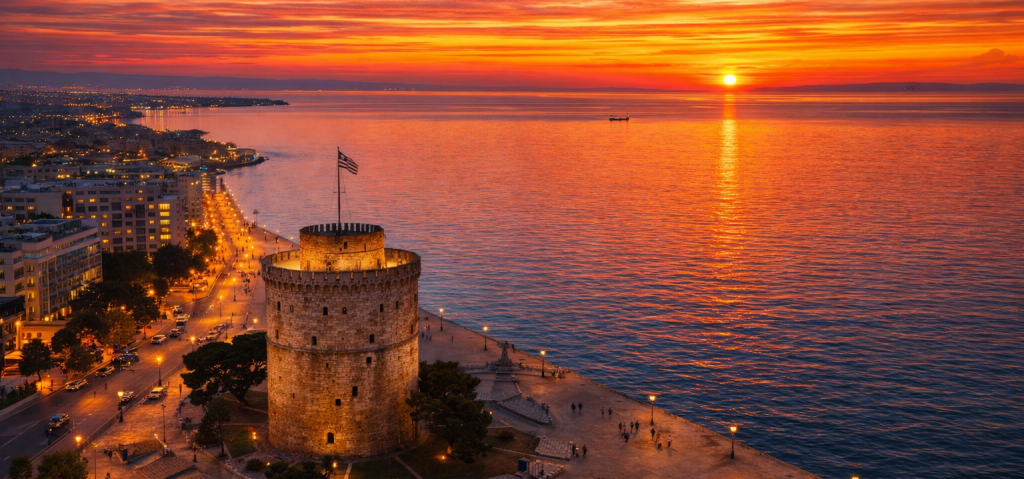
Thessaloniki
Thessaloniki is the capital of Macedonia Prefecture, is the second largest city in Greece, after Athens. In fact, the town is honorarily called co-capital, for its historical and administrative importance. The history of the town started in ancient times and due to its strategic location, it played an important economic and political role in the wider region of the Balkans.
The town was founded in 315 BC by King Cassander of Macedon on the site of a former settlement named Therma. He named it after his wife Thessalonike, the half-sister of Alexander the Great. The name actually means “victory of the Thessalians” and it is believed that the woman was named like that because her birth coincided with a victory of the Macedonians with the help of the Thessalians.
In Roman times, Thessaloniki was an important trade center to transport goods between the East and the West. Its economic expansion continued all through the Byzantine Times and it became one of the most important centers of the empire. Many public buildings and churches were built that period all over the town. Many of these early Christian and Byzantine churches survive till today and they have been declared as World Heritage Monuments by Unesco.
Because of its economic power, the town received the attack of many Balkan tribes, including the Slavs and the Bulgarians, and of the Crusaders as well. In 1423, while the Byzantine Empire was coming to its end, Thessaloniki was sold to Venice, which held it until it was captured by the Ottomans in 1430.
During the Ottoman rule, the city’s population of Muslims and Jews grew. In fact, the Ottomans had invited the expelled Jews from Spain to reside Thessaloniki in their effort to prevent the Orthodox population to grow. Also, many Orthodox churches were converted into mosques.
Thessaloniki was set free from the Turks on October 26th, 1912, during the First Balkan Wars. That day, it was the feast of Agios Dimitrios (Saint Demetrius) and since then, the locals celebrate it as the patron saint of the town. In August 1917, a fire burnt down most of the Old Town of Thessaloniki and left almost 1/4 of the population homeless.
In the Second World War, bombing destroyed many parts of the town, while most of the Jewish population was sent to the gas chambers and concentration camps by the Nazi.
Today, Thessaloniki is a modern town that has restored most of its wounds and receives millions of visitors every year. As it serves as a transportation hub for northern Greece, it has a railway system that connects the town to Turkey and the Balkans, a busy port and an international airport. With a population of about 800,000 people, Thessaloniki is famous for its ancient monuments, the vivid nightlife, and its shopping options.
The trademark of Thessaloniki is the White Tower, right in the waterfront. It was built in the 16th century by the Ottomans and along with its history, it has been used as a fort, a prison, a meteorology laboratory and today it houses the Byzantine Museum of the town.
Thessaloniki is also famous for the International Trade Fair that takes place every September and for the International Film Festival in autumn. Such cultural events and many others give the town a glamorous style.
r.
CALL FOR ABSTRACTS
.
The International “Aegean PVD Forum” will be held in Thessaloniki, Greece, December 17 to 19, 2026.
We anticipate that this meeting will promote in-depth discussion and knowledge exchange in the field of pulmonary vascular disease, and your participation would represent a most valuable contribution toward achieving this goal.
PVD Forum also offer a unique opportunity for networking and for discussing future areas of research and collaboration projects.
Participants are invited to submit abstracts for e-poster presentation.
The three highest-ranked abstracts will also be presented as oral presentations during a dedicated session of the scientific program.
Rules (formal criteria) for submission:
1) Original work on the topics of pulmonary vascular disease / adult congenital heart disease (Please note: reviews will not be accepted)
2) Work unpublished at the time of submission
3) Abstract file: word (.doc, .docx)
4) Abstract in English language
5) Abstract format:
– Title: maximum of 200 characters (including spaces, no capital letters)
– Provide working address, phone number, and email address of the presenter
– List all authors with full affiliations
– Abstract structure: Background – Material and Methods – Results – Conclusions
– Abstract length: maximum of 3.000 characters (including spaces, tables and legends)
– Maximum of 2 figures or tables
Abstracts will be selected by an Abstract Review Committee.
Submission deadline: October 31, 2026.
Following formal check of the rules for submission, you will receive an email confirming successful submission of your abstract.
REGISTRATION
.
CONGRESS INFO
.
.
.
🗓️ 17th – 19th December 2026
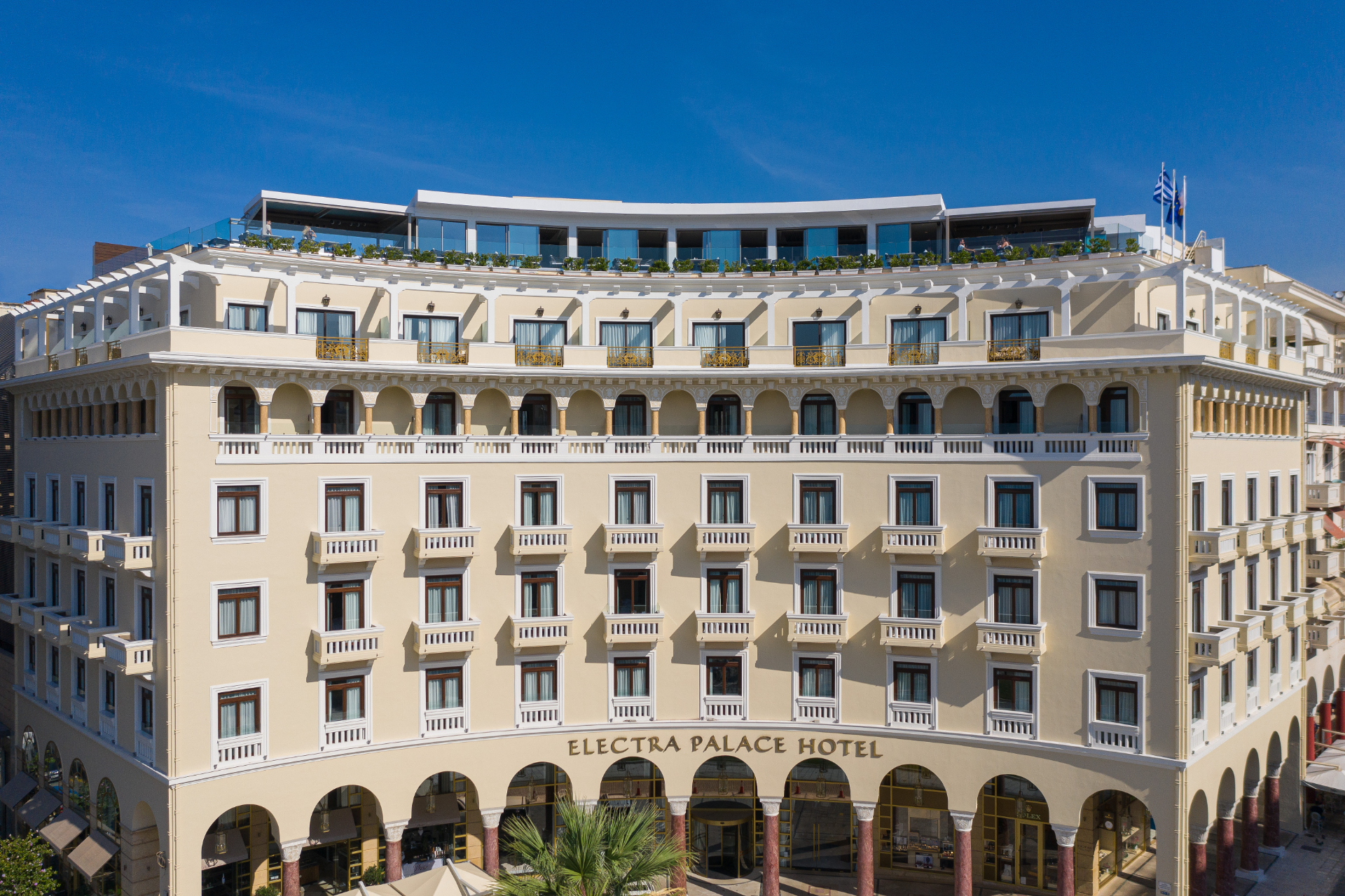
📌 Electra Palace Hotel
 |
.
Organizing Secretariat
📌 26, Marathonomachon St., GR 15124 Maroussi, Greece
☎ +30 2106827405, +30 2106839690-1
📠 +30 210 6827409
💻 www.tmg.gr 📧 cgastounioti@tmg.gr